Technologies

Resin composite reinforced with glass fiber mat

We match the molding process to your engineering specs, batch size, and budget—producing parts in polyester, epoxy, and vinyl ester resins.

Material knowledge

What are composites?

Composites are engineered materials created by combining two or more distinct constituents. Nature pioneered this principle—wood itself is a natural composite. Thanks to the versatility of resin-matrix systems and additives, we tailor composites for high mechanical strength, flame retardancy, elevated temperature resistance, and superior thermal insulation.

Where are laminates used?

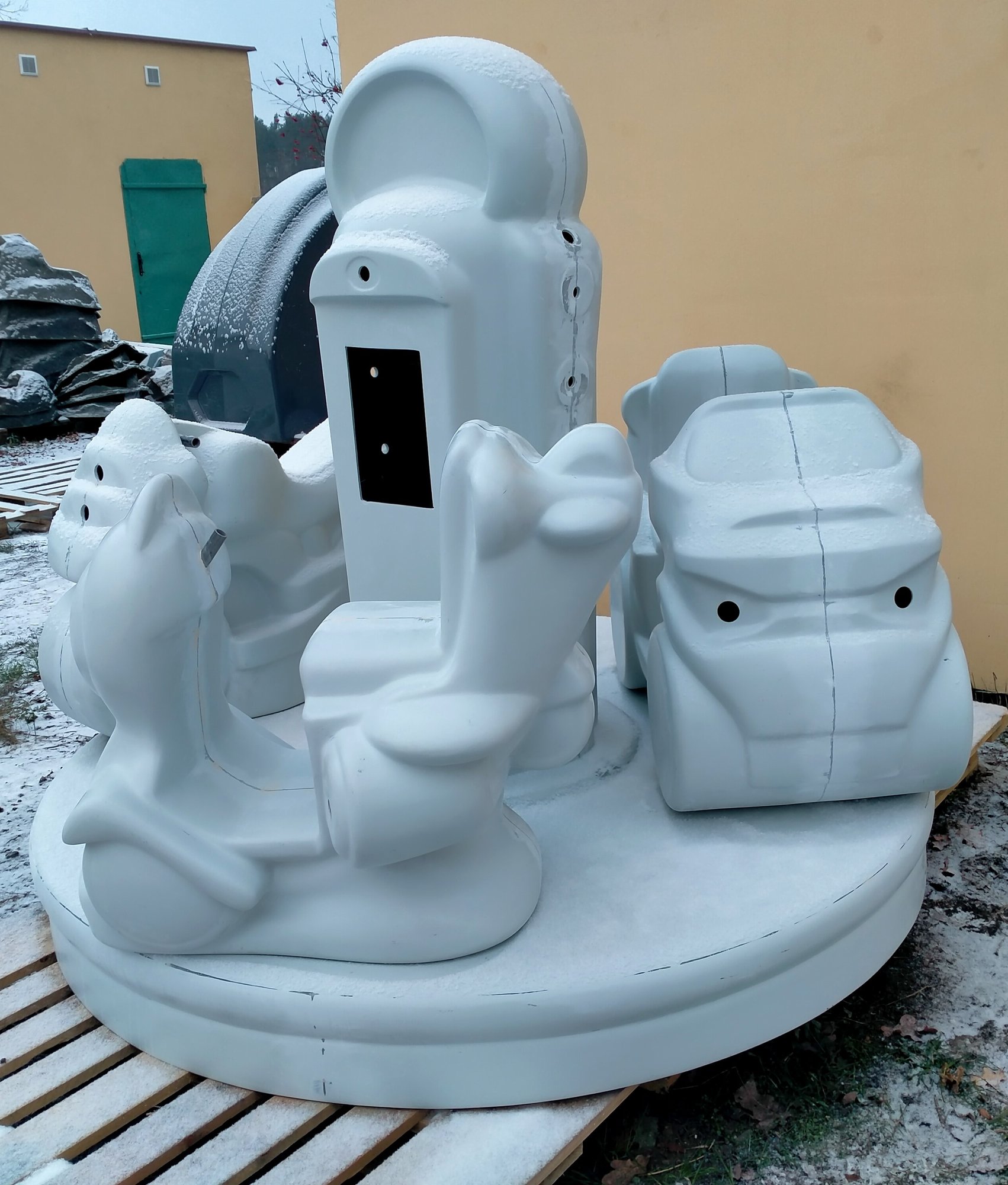
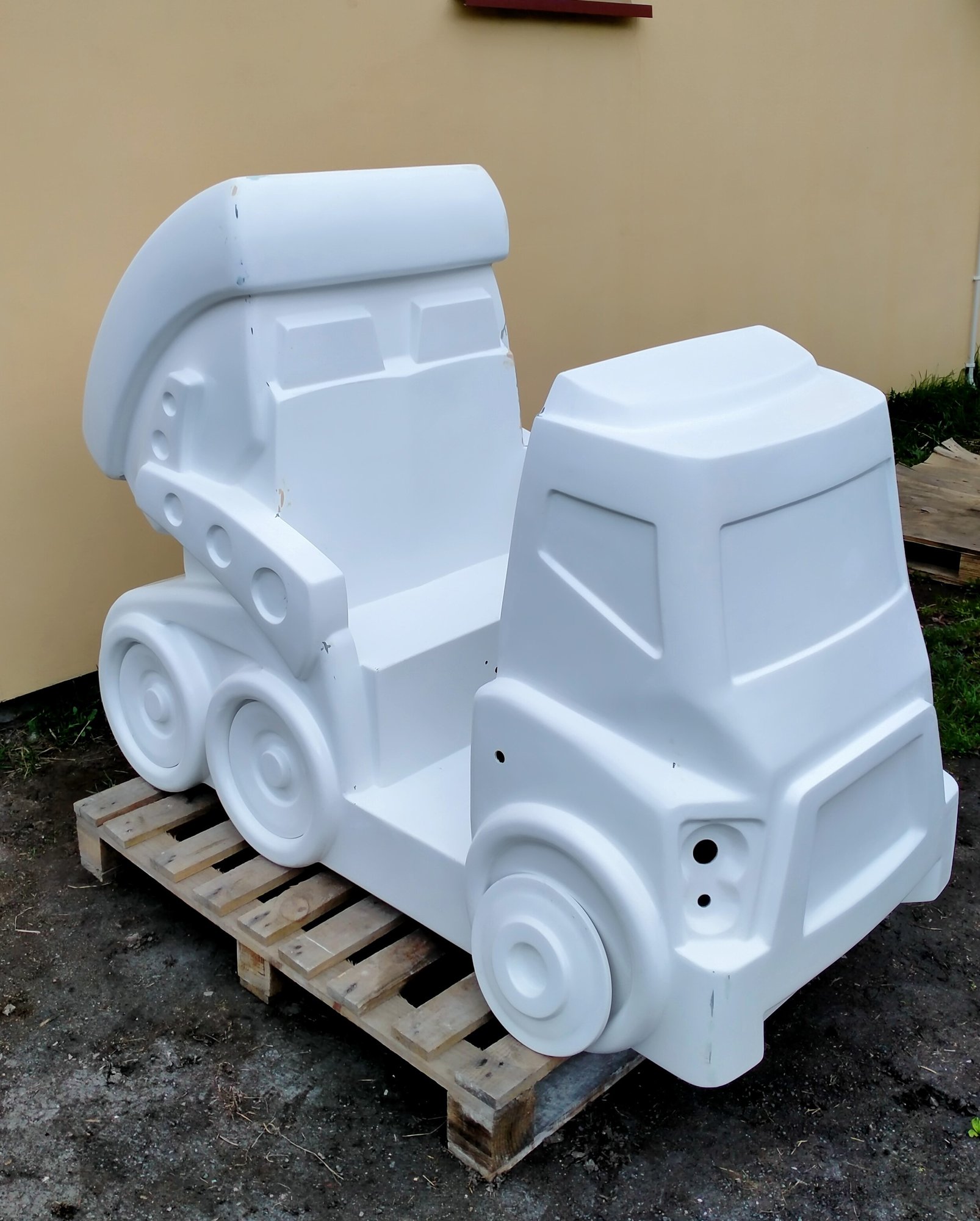
Thanks to their exceptional properties, fiberglass laminates can form almost any part. Key industrial and architectural applications include:

  • 01 Boat and yacht hulls and decks (sailing and motor vessels).
  • 02 Wind turbine nacelles and blades.
  • 03 Vehicle body panels and fairings.
  • 04 Sanitary fixtures and swimming pool shells.
  • 05 Operator cabins, tanks, and specialty housings.
  • 06 Window sills and exterior architectural facade elements.
  • 07 Decorative features and outdoor urban or garden furniture.

Why choose laminates?

Key advantages of composites over conventional metals, concrete, or wood:

  • 01 Resistance to UV radiation.
  • 02 Zero corrosion or rust.
  • 03 Complete waterproofness.
  • 04 No oxidation or scaling.
  • 05 Resistance to most industrial chemicals.
  • 06 High impact and mechanical damage resistance.
  • 07 Easy local repairability if damaged.
Our manufacturing methods

Molding technologies

We select the molding process based on part geometry, production volume, and target budget.

Hand lay-up – open-mold composite lamination
Hand Lay-up Technology

Hand lay-up – open-mold composite lamination

Hand lay-up is ideal for prototypes and low-to-medium series. Glass fiber reinforcement placed inside an open mold is manually impregnated with catalyzed resin using precision rollers and brushes.

Advantages
  • Low tooling and startup cost.
  • High structural laminate quality.
Limitations
  • Higher per-part labor cost.
  • Smooth finished gelcoat surface on one side only.
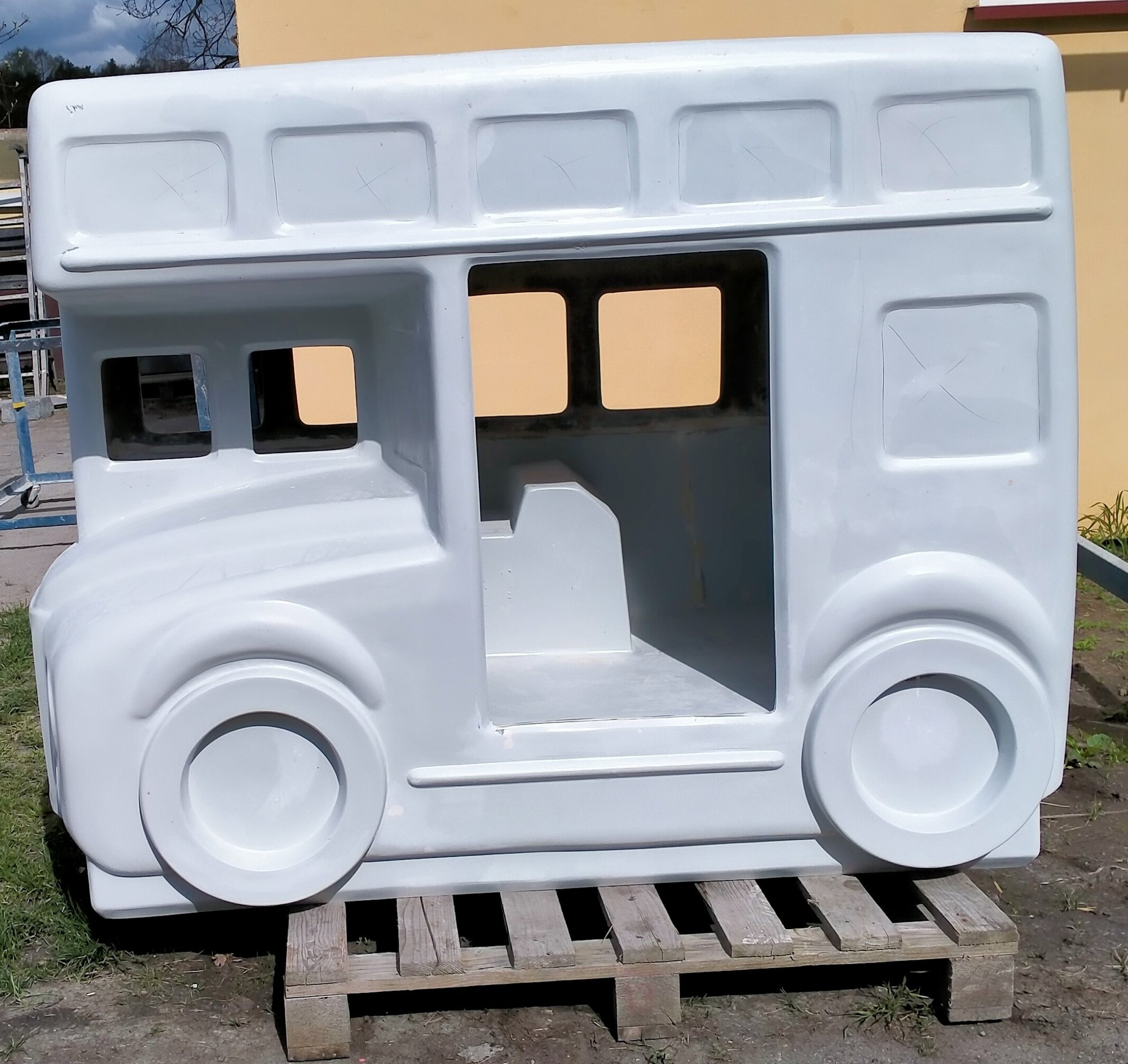
Vacuum-assisted molding
Vacuum Infusion Technology

Vacuum-assisted molding

In Vacuum Infusion, dry glass fiber reinforcement sealed under a vacuum bag is infused with catalyzed resin drawn by negative pressure. Ideal for larger structural parts and higher volumes requiring high fiber-to-resin ratios and clean surfaces on both sides.

Advantages
  • Lower unit production cost.
  • High fiber-to-resin ratio for superior mechanical strength and lower weight.
Limitations
  • Higher tooling and setup investment.
Closed-mold Resin Transfer Molding
RTM Method

Closed-mold Resin Transfer Molding

Resin Transfer Molding (RTM) produces composites inside matched closed two-part molds. Reinforcement is placed inside the mold, clamped shut, and injected with resin under pressure—dramatically reducing cycle times, cutting labor, and ensuring tight repeatability.

Advantages
  • Cost-effective for high-volume series production.
  • Consistent dimensional accuracy and surface quality.
  • Low VOC emissions.
  • High structural part strength.
  • Smooth, finished surfaces on both sides (A and B faces).
  • Capable of molding complex 3D geometries.
Limitations
  • Higher initial matched-mold tooling cost.
End-to-end service

Support at every stage

We handle 3D CAD documentation, CNC master models, and production molds entirely in-house.

01
3D Engineering & CAD

We build digital 3D models, manufacturing drawings, and visualizations from sketches, measurements, or concepts.

02
CNC Milling

We machine large-format master plugs and tooling patterns in modeling board, high-density foam, MDF, and aluminum.

03
Pattern Shop & Mold Making

Our modelers hand-fair master surfaces and build durable epoxy, vinyl ester, and silicone production molds.

04
Trimming & Paint Finishing

Finished moldings are CNC-trimmed, fitted with mounting hardware, and painted to exact RAL or NCS specifications.

Free quote

Not sure which technology fits best? We will help!

Send us your requirements, sketch, reference photo, or 3D model. We will analyze the project, choose the optimal technology, and prepare a free quote.

Workshop address Mojęcice, ul. Jarzębinowa 19, 56-100 Wołów Monday – Friday: 7:00 – 16:00 · Tax ID (NIP): 583-303-71-94

Request a quote

We usually respond within 24 business hours.

Anti-bot verification
Bot protection
Workshop location: Mojęcice, ul. Jarzębinowa 19, 56-100 Wołów, Poland Open in Google Maps ↗

Choose which cookie categories you allow. You can update or withdraw your consent anytime via the footer link.

Privacy Policy

The controller of personal data submitted via phone, e-mail, or the quote form is LCM Wilbik, registered at: Mojęcice, ul. Jarzębinowa 19, 56-100 Wołów (Tax ID (NIP): 583-303-71-94).

Data is processed solely to respond to your inquiry, prepare a project estimate, and conduct potential business cooperation.

This website uses strictly necessary cookies (language preference, form anti-bot security, and consent storage) and — only with your consent — third-party cookies from the embedded Google Map.

You have the right to access, rectify, or erase your personal data at any time by contacting kontakt@lcmwilbik.pl.